
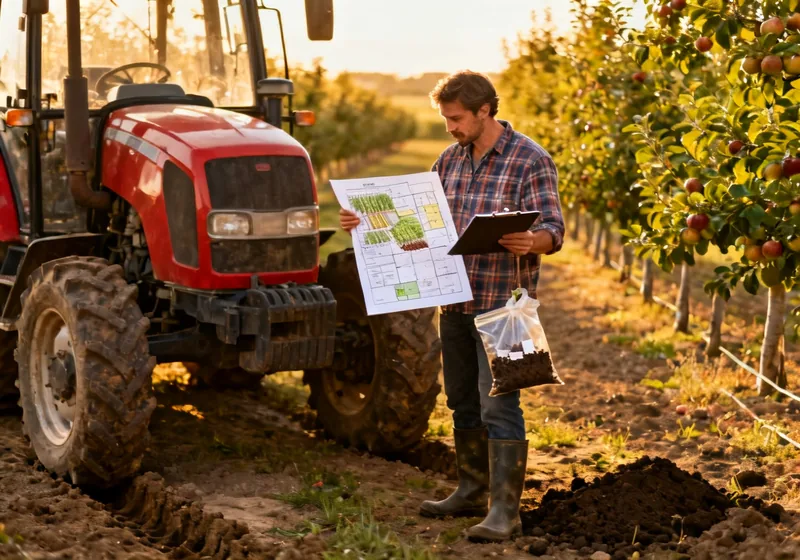
Buyer checklist
This page is a working checklist—not a sustainability essay. Move from field maps and planting dates to a ranked list of tractors, forage harvesters and grain handling options you can take to a dealer.
Most mixed farms regret buying horsepower they cannot hitch usefully. Claas asks growers to write the crop sequence up front: which blocks need rotary tiller work in March, which meadows need forage chopping in May, and which grain acres must hit a 14% moisture path before the dryer queue fills.
A 320 ha mixed dairy/grain farm in 2025 delayed tractor model talks until the crop calendar, truck cadence and 14% grain moisture path sat on one page. After that step, a 180 hp tillage tractor plus a forage harvester header shortlist replaced three competing brochure stacks.
When forage quality for the milking parlor competes with wheat harvest, schedule the higher weather-risk crop ahead in your CapEx conversation. A forage harvester with the wrong header width creates bunker gaps; a combine without grain cart support creates night shifts nobody budgeted.
Procurement managers should also note GLOBALG.A.P. document packs and CE declarations early if machines cross borders. Waiting until the invoice stage usually adds weeks you do not have before planting.
Use these dimensions instead of brand slogans. Claas ranks options with you; we do not publish rival brand scorecards inside this guide.
| Decision | Metric to capture | Typical Claas planning band | Hard limit |
|---|---|---|---|
| Tractor vs harvest platform | Continuous PTO duty hours / week | 75–180 hp utility; 180–340 hp harvest support | Oversized articulated units struggle in orchard alleys |
| Forage harvester header width | Daily ha + truck cadence | Sized toward ~40 ha/day silage crews | Bunker packing labor must match chop rate |
| Combine + dryer pairing | Grain moisture target + dryer m3/h | Plan around 14% binning moisture | Wider headers without dryer headroom merely move the queue |
| Spray method (if owned) | ha/season + field shape | Boom on open rectangles; drone contract on fragments | Neither replaces harvest CapEx planning |
Visual cues for the documents and field checks Claas expects before a quote.
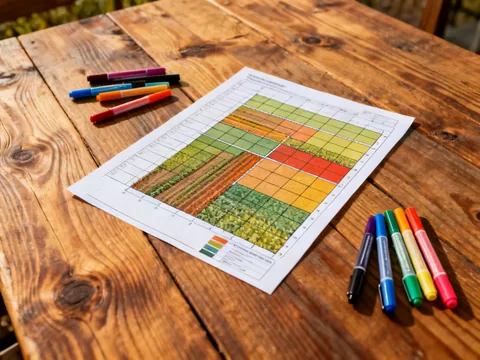
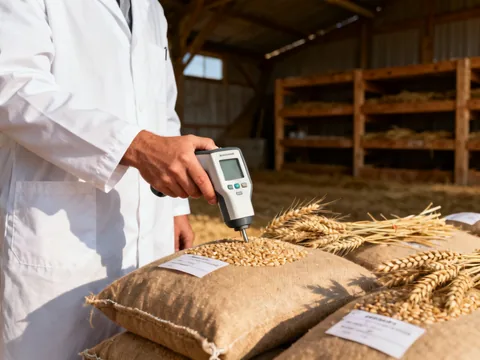
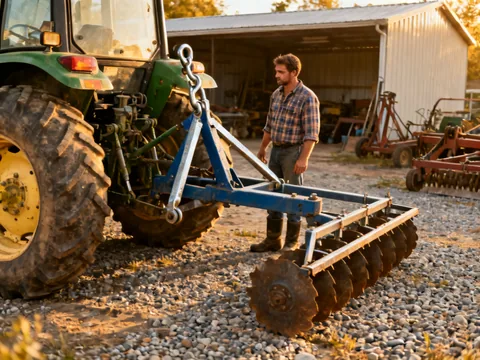
Send acres, crop mix and the three machines you are comparing. We will reply with setup questions tailored to forage versus grain—not a generic brochure pack.