Crop applications

Claas crop uses: pick the field story before the machine family

Friendly selection cards compare row-crop tillage, forage dairies, open grain plains and orchard margins so you do not force one horsepower band onto every hectare.

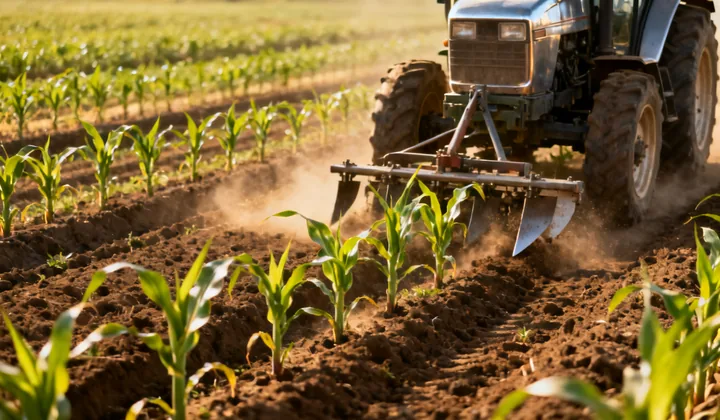
Tractor cultivating maize rows

Row-crop tillage & planting

Maize and soybean rotations need tractor ballast, rotary tiller match and seeder hitch geometry that keep emergence even across 40 ha blocks.

  • PTO bands commonly 90–180 hp for mid-size farms
  • Working width planned around headland turning time
  • Optional fertigation coordination with drip tape crews
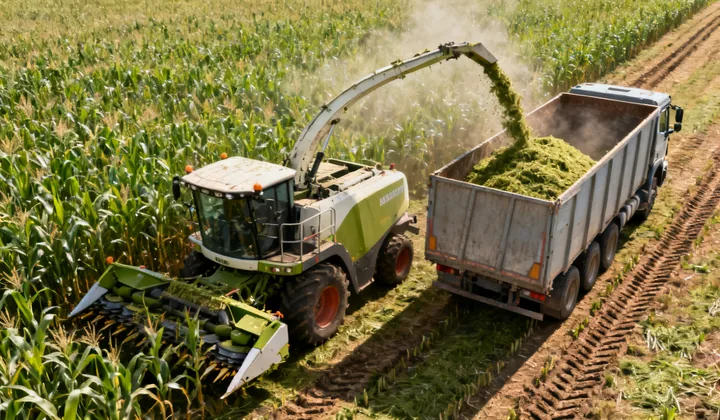
Forage harvester filling a silage truck

Forage, silage & dairy feed

Chop length and kernel processing affect bunker density as much as machine brand names. Claas maps forage harvester capacity to truck cadence and milking parlor rations.

  • Maize silage vs grass silage header choices
  • Bale density targets for hay export loads
  • Parts kits timed before opening cut
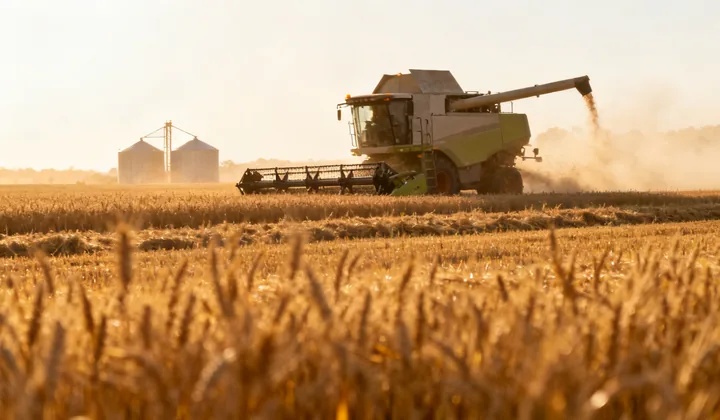
Combine harvesting wheat near grain bins

Grain harvest & handling

Combine throughput pays off when grain moisture hits roughly 14% before binning or the dryer can pull the rest without creating bottlenecks.

  • Header width vs grain cart logistics
  • Dryer m3/h capacity checked against daily tonnes
  • HACCP-aware clean-out between crop types
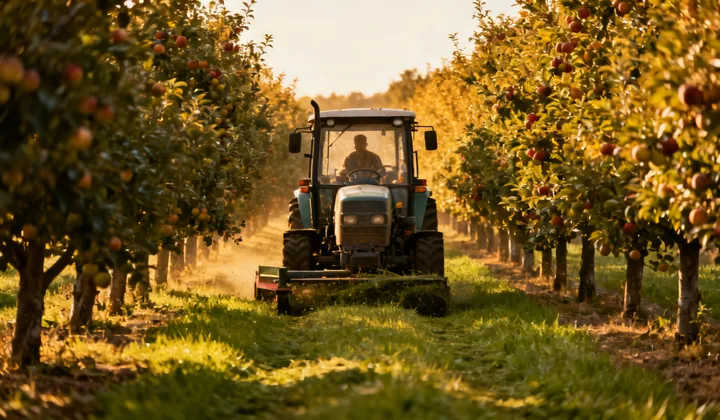
Compact tractor mowing orchard alley

Orchard & specialty margins

Narrower utility tractors handle alley mowing and spray support where center pivot geometry never applies and boom sprayers stay on larger blocks.

  • Low canopy clearance considerations
  • Spray drift control near neighboring plots
  • Shared PTO tools instead of oversized articulated platforms

Selector guide: which path fits this season?

Check the statements that sound like your farm. Bring the list to a Claas conversation so we skip generic demos.

Method trade-offs Claas puts on the table

Two common disputes from farm procurement: spray coverage method and irrigation geometry. Neither side wins every hectare—Claas records the field constraints before recommending ownership versus contracting.

Drone spraying vs boom sprayers

Drone fleets adapt to fragmented blocks and steep margins, but payload cycles and spray drift control protocols still need agronomist sign-off. Boom sprayers deliver higher throughput on open rectangles when a 24 m working width and 3000 L tank capacity match the spray window.

  • Choose drone contracting when fields are irregular, tree lines interrupt passes, or you spray fewer than ~200 ha per season.
  • Choose boom ownership when rate control maturity, nozzle kits and operator training already exist on the farm.
  • Limit: Claas does not treat either method as a substitute for forage harvester or combine CapEx—plant protection is a separate line item.

Drip irrigation vs center pivot

Drip tape and fertigation raise water-use efficiency on row and orchard crops, yet labor for tape lay and emitter checks rises. Center pivot systems cut labor on large circular/rectangular blocks but struggle around shade screen edges and odd-shaped parcels.

  • Lean drip when water rights are tight and crops need zone-level fertigation.
  • Lean pivot when labor is the scarce resource and field geometry fits a pivot circle.
  • Limit: irrigation layout locks tractor headland patterns—change irrigation after tractor purchase and you may resize working width again.

Boundaries we disclose up front

  • Combine header upsizing without dryer m3/h headroom merely moves the queue from the field to the pit.
  • Forage chop length targets depend on bunker packing crews; machine settings alone do not fix low bale density or poor packing.
  • Cross-border parts dispatch goals assume customs documents and HS codes are ready—missing paperwork overrides the 48-hour kit target.

Tell Claas which crop story is yours

Describe acres, moisture strategy and whether forage or grain drives cash flow this year. We will reply with a shortlist—not a 40-page catalog dump.